Daily Summary2026-10-02
Stories clustered across sources, with day-to-day continuity and threading.

Ghana Government to Compel Public Institutions to Source Food From Local Farmers
The Ghana government is moving to require public institutions to procure food directly from Ghanaian farmers, a reform that would reshape public agri-supply chains. The policy is assessed as a direct demand-side intervention for the domestic agricultural sector.

Feed Ghana Programme Advances as Policy-Driven Effort to Cut Food Import Dependence
The Feed Ghana Programme is being implemented as a policy-led initiative aimed at reducing the country's dependence on food imports. The programme is assessed as creating a policy-driven market opportunity for agritech operators within the domestic food production chain.

Mobile Money Fintech and UMB Train Hairdressers and Beauticians in Ghana
Mobile Money Fintech Ltd and United Merchant Bank have conducted a training programme targeting hairdressers and beauticians in Ghana as part of a grassroots fintech adoption effort. The initiative is directed at micro, small, and medium enterprises in the informal services sector.

Airtel Money Targets $7 Billion Valuation in London IPO Debut
Airtel Money is targeting a $7 billion valuation in its planned London stock exchange debut. The IPO valuation figure offers a public benchmark for mobile money asset pricing, with indirect relevance to the trajectory of Ghana's MTN MoMo operations, which Airtel also competes with directly in the Ghanaian market.
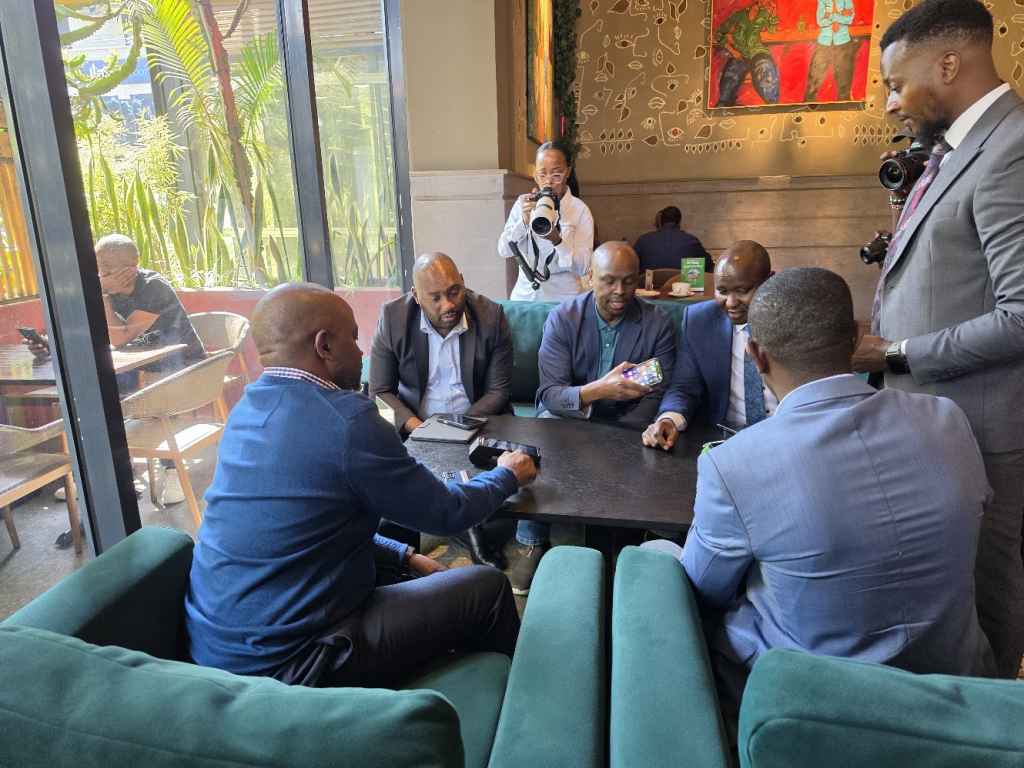
Safaricom Taps Pesapal's 30,000 POS Terminals to Extend M-PESA Contactless Reach
Safaricom has partnered with Pesapal to leverage its network of 30,000 point-of-sale terminals as infrastructure for M-PESA contactless payments. The POS-led expansion model is assessed as a directly relevant reference point for debates around Ghana's own mobile money acceptance infrastructure.

Pan-African Fintech Kora Adds Stablecoin Rails to Its Payment Infrastructure
Pan-African fintech Kora has integrated stablecoin functionality into its existing payment infrastructure. The move is assessed as potentially extending stablecoin-based payment rails into African cross-border corridors, including those relevant to Ghana.

Luno Pivots From Crypto Exchange Toward Crypto-as-a-Service Model
Luno is repositioning from operating a consumer-facing crypto exchange toward offering crypto infrastructure as a service to institutional clients. The strategic pivot is assessed as signalling an institutional crypto infrastructure opportunity across Africa, including in Ghana.

COMAC Renews Push for Full Fuel Price Deregulation and Tax Freeze in Ghana
Ghana's Chamber of Oil Marketing Companies (COMAC) has renewed calls for full deregulation of fuel prices, a freeze on fuel-related taxes, and an allocation of crude oil windfall revenues to support a downstream sector the COMAC CEO describes as overcrowded, with 245 oil marketing companies competing for market share. COMAC's CEO has also publicly criticised government interference in fuel pricing, framing the status quo as commercially unsustainable. The combined pressure on fuel costs is assessed as directly affecting operating expenses for logistics and technology firms across Ghana.

Nigeria Rolls Out Digital Postcodes for Every Building Nationwide
Nigeria has begun a national rollout of digital postcodes assigned to every building, creating a formal addressing infrastructure layer across the country. The initiative is assessed as a logistics and e-commerce enablement benchmark that Ghana's own digital addressing efforts can be measured against.

Analysis Reviews Africa's Risk Perception and Its Effect on Sovereign Investor Appetite
A new analysis examines how Africa's risk perception frameworks are being reassessed, with implications for investor appetite and sovereign credit positioning across the continent. The findings are assessed as directly relevant to Ghana-focused deals and to the country's sovereign credit standing.

Africa's Healthtech Sector Challenged to Produce Billion-Dollar Companies
Africa's health technology sector has been publicly challenged to produce billion-dollar companies, framing a concrete ambition target for the continent's health startups. The challenge is assessed as relevant to Ghana's emerging healthtech ecosystem, including KNUST's ongoing AI healthcare partnership with the Ghana Medical Trust Fund.

Meta Appeals Nigeria Ruling Barring Forced Ad-Tracking Consent
Meta has filed an appeal against a Nigerian regulatory ruling that prevents the company from compelling users to accept advertising tracking as a condition of service. The case is assessed as setting a data-consent precedent that Ghana's Data Protection Commission is likely to monitor.

Local Government Minister Directs GAPTE to Honour Advertised Contra-Flow Times
Ghana's Local Government Minister has directed GAPTE to adhere to its publicly advertised schedule for the Accra contra-flow traffic system. The directive touches urban mobility infrastructure with potential implications for logistics operators in the capital.
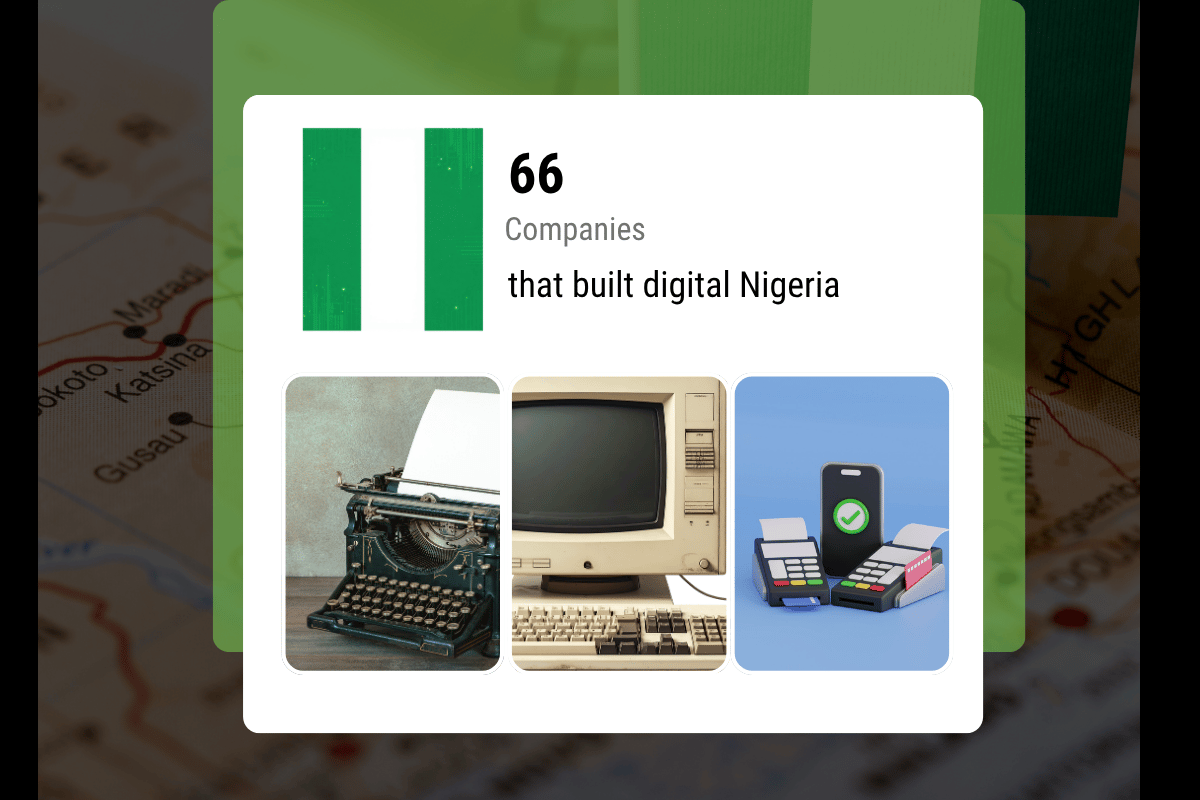
Chronicle of 66 Companies That Built Nigeria's Digital Economy Published
A new publication chronicles 66 companies assessed as foundational to the development of Nigeria's digital economy over several decades. The retrospective is assessed as offering ecosystem-building lessons broadly applicable to Ghana's own technology sector development.
Moniepoint Co-Founder Becomes Only African on TIME's Inaugural Tech and Data List
The co-founder of Nigerian fintech Moniepoint has been named the only African on TIME magazine's inaugural technology and data list. The recognition raises international visibility for African-built fintech and is assessed as an indirect profile signal for the continent's broader ecosystem.

Dangote and Kenya's Ruto Break Ground on $16 Billion Kenyan Refinery
Aliko Dangote and Kenyan President Ruto have broken ground on a reported $16 billion refinery project in Kenya, marking a major continental energy infrastructure commitment. The development is assessed as an indirect signal of large-scale energy investment appetite in Africa, with contextual relevance to Ghana's own downstream energy reform debate.
Nigeria Cloud Adoption Stalled by Data Control Fears, Mirroring Ghana's Constraints
An academic commentator argues that fear of losing data control is a primary barrier to cloud adoption in Nigeria, constraining digital growth. The barriers identified are assessed as mirroring Ghana's own data sovereignty concerns, which affect regional cloud investment decisions.
Kenyan Study Finds Citizens Share Personal Secrets With AI Screens Over Humans
A study involving 1,200 Kenyans finds that participants are more willing to share personal information with AI interfaces than with other people. The findings offer adjacent behavioural data on AI adoption in East Africa, though no direct Ghana read-through is cited.