Daily Summary2026-06-18
Stories clustered across sources, with day-to-day continuity and threading.

Flutterwave raises Series E at $3.2B valuation
Flutterwave has closed a Series E funding round that pushes its valuation to $3.2 billion, marking one of the largest African fintech fundraises to date. The milestone reinforces Nigeria-founded Flutterwave's position as a continental payments infrastructure leader and signals sustained institutional appetite for African fintech at growth stage.
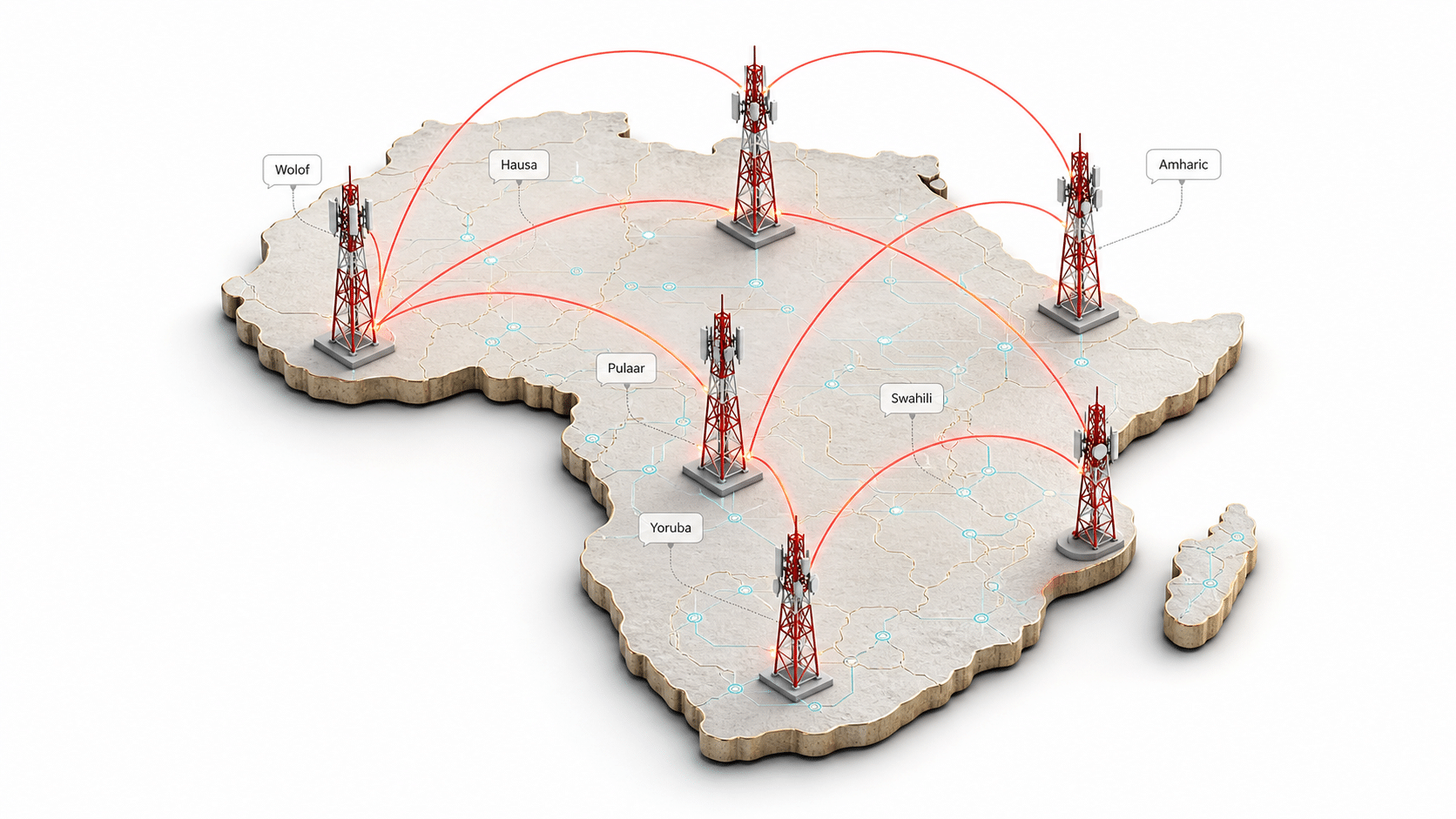
African mobile operators build AI models in local languages
A new GSMA report reveals that Africa's top mobile operators, including MTN, are actively developing AI language models trained on African languages, representing a major infrastructure play in the AI stack. This positions telecoms as key AI infrastructure providers rather than passive connectivity pipes, with implications for data sovereignty and local AI product development.

Africa's mobile economy hits $240B; Nigeria launches free digital TV
Africa's mobile economy has reached $240 billion in value, while Nigeria accelerates its digital switchover by launching a free-to-air TV platform offering 100-plus channels at zero subscription cost. Standard Bank's eSIM launch adds further momentum to the continent's digital connectivity expansion, collectively signalling a maturing mobile market with new content and financial service layers.

CBN data localisation directive raises fintech compliance costs
Nigeria's Central Bank is pushing a data localisation directive that would require fintech companies to store data domestically, raising material infrastructure costs and compliance burdens for operators. Fintech executives have voiced concern that the policy could stifle innovation and increase operating costs, creating a near-term regulatory risk for Nigerian fintech investments.

Kenya plans to monetise citizen data, sparking privacy debate
The Kenyan government has announced plans to commercialise citizen data, positioning it as a new AI and data economy asset despite significant pushback from privacy advocates. While the move could open a structured data market for AI startups and analytics firms, it introduces regulatory and reputational risk for investors operating in Kenya's digital health, fintech, and AI sectors.

EBID commits $75M+ to West Africa energy security and SME finance
The ECOWAS Bank for Investment and Development has stepped up support for West Africa with over USD 75 million and EUR 105 million committed to energy security projects and private-sector SME financing. The deployment signals growing multilateral conviction in West African infrastructure and small business as catalytic investment targets.

Tracking Africa's 24 Y Combinator startups three years on
A new analysis examines what happened to the 24 African startups that went through Y Combinator, providing concrete survival, pivot, and growth outcome data for the cohort. The findings offer a rare empirical baseline for assessing the returns and trajectories of Africa's most globally accelerated startup class.
Ghana International Bank and AfDB sign trade finance guarantee deal
Ghana International Bank has secured an African Development Bank-backed trade finance guarantee agreement aimed at expanding cross-border credit access for African traders and businesses. The deal provides institutional risk-sharing that could unlock additional private capital for African trade corridors, with direct relevance for Ghana-based importers and exporters.

700,000-tonne unsold rice stockpile exposes African agritech distribution gaps
Rice farmers across the region are abandoning farms in response to a 700,000-tonne unsold rice stockpile, highlighting a critical market failure in storage and distribution infrastructure. The crisis signals an urgent need for agritech solutions addressing post-harvest logistics, price discovery, and market linkages rather than purely production-side interventions.

Nigeria sets October launch for long-delayed digital postcode system
Nigeria has announced an October 2026 pilot launch for its national digital postcode system, a project first proposed in 2009, which security officials say will also improve national security capabilities. The address-layer infrastructure is a foundational enabler for e-commerce logistics, last-mile delivery, and fintech KYC across Nigeria's large informal urban market.

OpenAI Academy launches in Nairobi as Kenya signals major AI ambitions
President Ruto's meeting with OpenAI CEO Sam Altman has culminated in the announcement of an OpenAI Academy in Nairobi, marking the first major AI education infrastructure commitment in East Africa. The development positions Kenya as a continental AI hub and raises the competitive stakes for other African nations seeking to attract global AI investment.

Ghana CSA tightens cybersecurity compliance pressure on institutions
Ghana's Cyber Security Authority is urging universities to strengthen cybersecurity frameworks following a cyberattack on the University of Nottingham, reinforcing enforcement of Critical Information Infrastructure compliance mandates. The regulatory push signals an expanding cybersecurity compliance market in Ghana's education and public sectors.

DRC's rapid digitalisation drives early-stage cybersecurity market
As the Democratic Republic of Congo accelerates its digital transition, demand for cybersecurity services is surging, creating an early-mover opportunity for security vendors in one of Africa's largest untapped markets. The DRC's scale and rapid connectivity growth make it a strategic frontier for cybersecurity infrastructure investment.

Why African agritech keeps failing and what open-source can fix
A structural critique argues that African agritech startups repeatedly fail to scale due to fragmented data, poor interoperability, and vendor lock-in, while open-source ERP approaches offer a contrarian path to sustainability. The analysis provides an investment signal for backing platform-agnostic agritech infrastructure over proprietary point solutions.
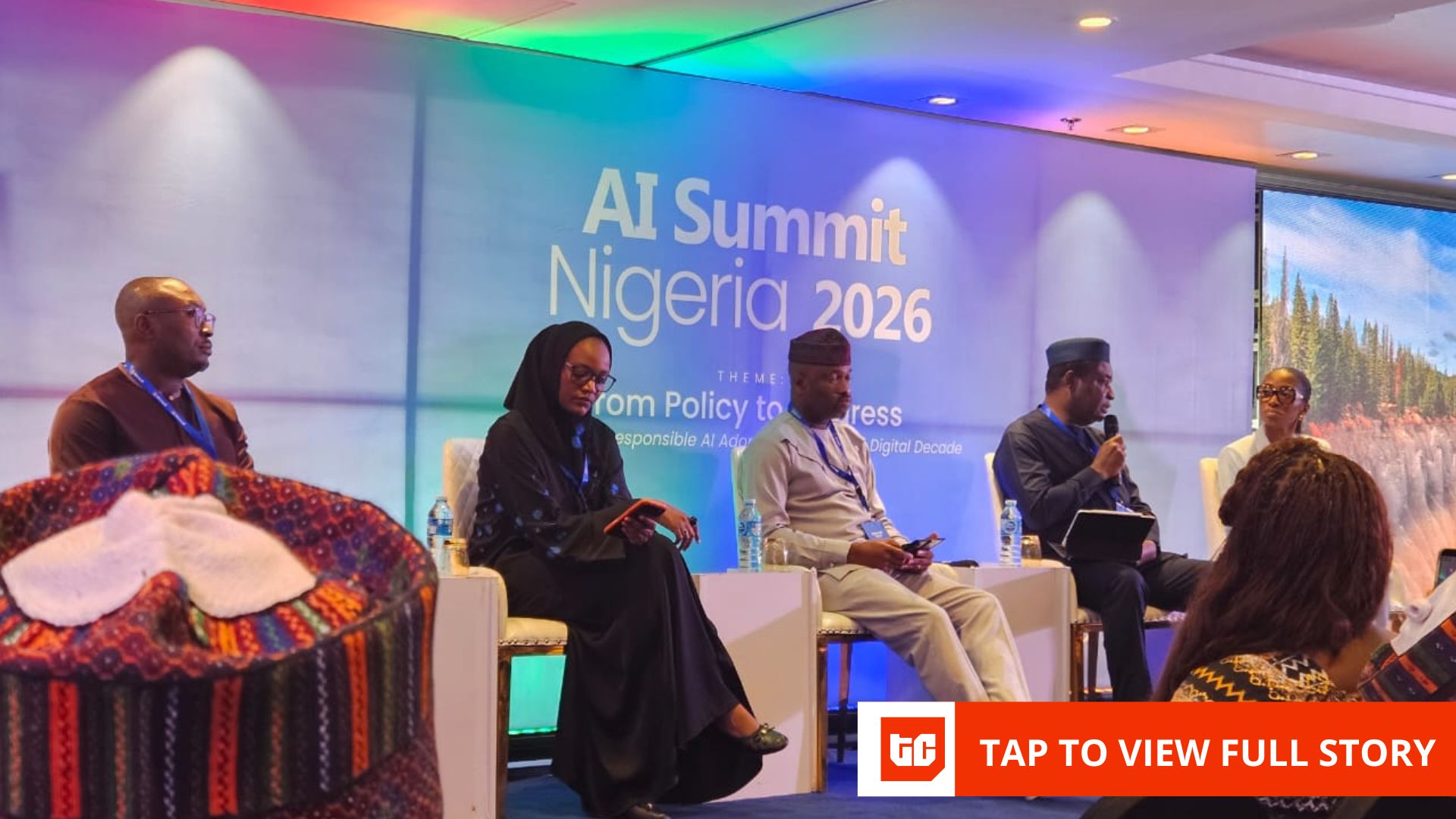
Nigeria's government data silos are blocking AI development
Analysts highlight that fragmented and inaccessible government data repositories in Nigeria are a systemic constraint on building competitive AI products and services. Resolving these data silos is identified as a prerequisite for Nigeria to realise its AI economy potential, pointing to govtech data infrastructure as an underinvested category.
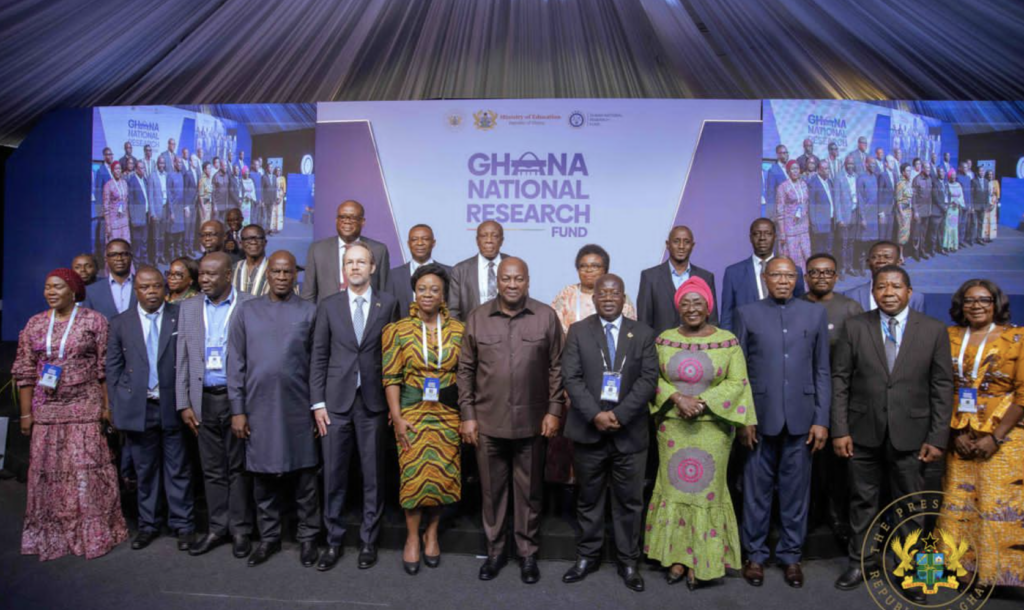
Bank of Ghana urges banks to fund entrepreneurs and support exports
The Bank of Ghana Governor has publicly called on commercial banks to increase lending to entrepreneurs and export-oriented businesses, signalling a policy shift toward productive-sector credit allocation. Combined with the launch of the Ghana National Research Fund by President Mahama, the moves reflect a government push to activate domestic innovation financing.

Nigeria's FromAfricaB2B connects African manufacturers to global buyers
FromAfricaB2B, a Nigerian B2B trade platform, is building a marketplace connecting African manufacturers with international buyers and distributors to address a longstanding export market access gap. The early-stage platform targets a structurally underserved segment where African producers struggle with global discovery and distribution.

Global investors missing Africa's largest climate-tech funding opportunity
A new report argues that global climate investors are systematically overlooking Africa's climate-tech founders despite rising continental commitments and one of the world's largest climate adaptation needs. The funding gap represents both a market failure and a potential alpha opportunity for early-stage climate investors willing to operate in African markets.
Estonian angel network joins Pan-African AI Summit to fund African AI startups
The Estonian Business Angels Network is partnering with the Pan African AI Summit to co-fund a pitch competition targeting African AI startups, bringing European early-stage capital into the continental AI ecosystem. The partnership signals growing cross-continental investor interest in Africa's AI startup layer.

Deepfake doctors spread in Kenya, highlighting AI health misinformation risk
AI-generated deepfake medical content is proliferating across Kenyan digital platforms, commodifying healthcare advice and creating trust and safety risks for digital health investors and operators. The trend underscores the urgent need for AI content verification and digital health governance frameworks in African markets.

Ghanaian startup Vaurse launches digital identity trust platform
Vaurse, a Ghanaian startup, has launched a digital identity platform designed to strengthen trust and verification in online interactions, addressing a foundational infrastructure gap in Ghana's growing digital economy. The launch signals local entrepreneurial recognition of identity as a critical layer for e-commerce, fintech, and digital services.

Payaza's ShopAza social commerce platform launches across six African markets
Payaza is launching ShopAza, a multi-currency social commerce platform, across six African markets, combining payments infrastructure with e-commerce discovery in a single product. The multi-market simultaneous launch reflects a bet on cross-border African commerce as a near-term growth vector.

Ghana TCDA mandates certified tree crop seedlings from July
Ghana's Tree Crops Development Authority will ban the distribution of uncertified tree crop seedlings from July 3, creating a compliance requirement that could consolidate the seedling supply market around certified producers. The regulation opens a structured opportunity for agritech companies providing certified input supply chain services to cocoa and other tree crop farmers.

NHIA flags informal sector as untapped health insurance market
Ghana's National Health Insurance Authority has identified corporate sector saturation as a growth ceiling and pointed to the informal economy as the primary untapped market for health insurance expansion. The signal aligns with broader African insurtech opportunity theses targeting informal workers through mobile and community-based distribution models.

Ghana's XecelAfrica launches fractional executive platform for SMEs
XecelAfrica has launched a Ghana-based platform offering fractional C-suite executive services to revenue-generating African SMEs that lack the capital to hire full-time senior leadership. The model targets a documented talent-access gap in Africa's mid-market business segment.

Gold Fields issues $107M environmental bond as ESG costs rise in Ghana mining
Gold Fields has raised a US$107 million environmental bond to fund sustainable mining initiatives, reflecting rising ESG compliance costs and expectations for operators in Ghana's mining sector. The bond signals that international capital markets are increasingly pricing environmental performance into African mining finance.

AfCFTA momentum reframes Africa's trade and investment paradigm
A new analysis argues that AfCFTA implementation combined with diversified capital flows represents a structural rather than cyclical shift in Africa's investment landscape. The piece challenges investors to reassess pan-African market sizing assumptions in light of evolving intra-African trade infrastructure.

Africa's genetic diversity positions continent to lead AI-driven health innovation
KNUST Professor John Amuasi argues that Africa's unmatched genetic diversity gives the continent a structural competitive advantage in developing AI-driven health data products and diagnostics. The thesis points to African health data as a globally scarce and commercially valuable asset if properly governed and monetised.

Egypt corporate-accelerator-university partnership broadens startup pipeline
A new tripartite partnership between Egyptian corporates, accelerators, and universities aims to accelerate startup growth across fintech and other verticals, expanding the structured pipeline of investable companies from North Africa. The model mirrors successful innovation ecosystem plays in East Africa and could influence similar structures across the continent.
Tanzania mandates digital tax and e-delivery systems amid reform push
Tanzania is mandating an e-Delivery project management system from July 1 while lawmakers flag failures in existing digital tax systems, creating dual reform pressure on the country's govtech infrastructure. The mandates signal procurement opportunities for digital government service providers while highlighting execution risk in Tanzania's regulatory digitalisation agenda.

GoldBod leads Ghana forest and responsible mining restoration agenda
GoldBod has signed a landmark deal with the Ghana Armed Forces and Forestry Commission to restore the degraded Tano-Nimri Forest Reserve, while also securing international backing at the LBMA Summit for Ghana's responsible artisanal mining sourcing agenda. The twin moves signal a state-led push to formalise and green Ghana's artisanal gold sector under international scrutiny.

Data-driven philanthropy urged for Africa's largest startup ecosystem
A new commentary argues that philanthropic capital flowing into Africa's largest startup ecosystem should adopt rigorous data-driven allocation frameworks to avoid misallocation and duplication. The piece is relevant to impact investors and development finance institutions calibrating their Africa innovation funding strategies.
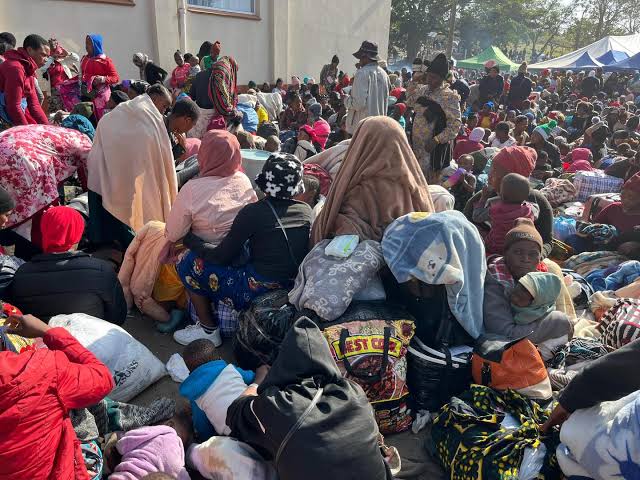
MTN's South Africa xenophobia exposure highlights political risk for pan-African telecoms
South Africa's intensifying migrant crackdown is creating material business disruption for MTN, which relies heavily on migrant communities for subscriber and mobile money volumes. The episode illustrates how political and social risk in key markets can translate directly into revenue exposure for Africa's largest listed telecoms operators.

Fitch forecasts 5% Ghana GDP growth for 2026
Fitch Ratings has projected a 5.0% GDP growth rate for Ghana in 2026, providing a positive macro baseline that underpins investment sizing and risk assessments across the country's tech and startup sectors. The forecast follows Ghana's debt restructuring completion and signals returning investor confidence in the Ghanaian economy.

UN commits $113M to Ghana amid global aid contraction
The United Nations has committed US$113 million to Ghana at a time when global aid budgets are being cut, signalling multilateral confidence in Ghana's development trajectory. The investment provides a demand signal for sectors including health, agriculture, and digital infrastructure where UN programmes typically catalyse additional private capital.

South African youth employment apps target structural unemployment at scale
Two overlapping South African platforms, Ukiyo's student-to-first-job app and its global student support platform, are launching to address the continent's large structural youth unemployment market. The dual launch signals growing investor and founder attention to workforce entry as a scalable edtech and hrtech vertical.
African fintech payment platforms deepen SME and multi-currency product suites
Multiple African fintech players are expanding product scope: PalmPay is pushing trust narratives in Nigeria, Pesa is launching multicurrency infrastructure with a major marketing campaign, and Yoco is consolidating SME payment tools in South Africa. Collectively these moves reflect intensifying competition and product maturation across Africa's payments layer.

Ghana EPA styrofoam ban creates green packaging innovation opportunity
Ghana's Environmental Protection Agency has confirmed it will not reverse its ban on styrofoam, urging industry players to invest in green packaging alternatives. The regulatory commitment creates a compliance-driven demand signal for biodegradable packaging startups and circular economy ventures operating in Ghana.

EU-funded forest restoration reaches 20,000 Ghanaian farmers
Ghana's Forest Restoration Grant Scheme, backed by EU funding, is engaging 20,000 farmers to restore 14,000 hectares of degraded forest with a gender inclusion focus. The programme represents a significant rural capacity-building initiative with downstream implications for agritech and climate-smart agriculture service providers.

PaidHR-LSETF partnership targets Nigerian SME payroll formalisation
PaidHR and the Lagos State Employment Trust Fund have launched an initiative to provide payroll and people management software support to Nigerian small businesses, targeting the large informal SME segment. The partnership reflects growing momentum for HR tech as a gateway to broader financial services formalisation in Nigeria.

Remittance fintechs compete for UK-Nigeria corridor with fee-free offers
FCA-regulated remittance startup SendOva is gaining traction among UK-based Nigerians by offering better exchange rates and fee-free transfers, intensifying competition in one of Africa's highest-volume remittance corridors. The trend signals continued commoditisation of remittance pricing and the importance of regulatory credibility as a differentiator.

Bosomtwe Community Bank records 128% profit growth in Ghana
Bosomtwe Community Bank has reported 128% profit growth, signalling strong financial health in Ghana's rural and community banking segment. The result points to resilient demand for localised financial services in peri-urban Ghana and a potential acquisition or partnership target for digital finance players seeking last-mile distribution.

Bancassurance positioned as key channel for Ghana insurance penetration growth
Industry commentary identifies bancassurance as the most viable near-term channel to increase Ghana's chronically low insurance penetration rate by leveraging existing bank customer relationships. The argument aligns with broader African insurtech distribution strategies that embed insurance into banking and mobile money platforms.
Telecel Ghana trains 1,000 Ashanti youth in coding and IoT
Telecel Ghana's Ashanti Codes programme will train 1,000 students in digital skills including coding and IoT, extending telco-led digital skills investment beyond urban centres. The initiative reflects a broader African telecoms trend of using digital training to deepen customer ecosystems and social licence.

US-China undersea cable rivalry sets precedent for African cable geopolitics
The US government's blocking of Chile's Chinese undersea cable contract sets a direct precedent for how geopolitical competition will shape African subsea cable route decisions and financing structures. African nations planning new cable infrastructure will increasingly face pressure to choose sides between US and Chinese financing and technology partners.
Uganda launches real-time digital maternal death tracking system
Uganda's Ministry of Health has deployed a real-time digital system to track maternal and newborn deaths, digitising a critical public health data gap and signalling govtech procurement opportunity in East African health systems. The system could serve as a replicable model for health data infrastructure investment across sub-Saharan Africa.

DeepSeek cost advantage reshapes AI adoption economics for African developers
Growing American adoption of Chinese AI model DeepSeek over US alternatives due to cost efficiency has direct implications for African developers and startups choosing AI infrastructure, where cost sensitivity is acute. The trend may accelerate adoption of lower-cost Chinese AI APIs across Africa's developer ecosystem, with geopolitical and dependency risk attached.

AmCham Kenya appoints former regulator as US investment interest grows
The American Chamber of Commerce in Kenya has appointed a former markets regulator to lead operations as US institutional investors increase their focus on East Africa. The hire signals a more structured US private-sector engagement with Kenya's investment environment following high-level government-to-government AI and trade interactions.

ECG grid outage in Western Ghana signals ongoing energy reliability risk
A widespread power outage in Ghana's Western Region caused by upstream supply challenges at the Electricity Company of Ghana underscores persistent grid reliability risk for businesses and investors in the region. The incident reinforces the investment case for distributed and backup energy solutions in Ghana's industrial and commercial sectors.

Global infrastructure overrun data offers risk benchmarks for African capital projects
New global data on infrastructure project cost overruns and delays provides an empirical framework for stress-testing African capital project risk assumptions. Investors and development finance institutions can use these benchmarks to build more conservative underwriting models for African infrastructure deals.

Liberia's new digital bank and SA SME digital payments signal frontier fintech expansion
A new fintech venture targeting digital banking in Liberia and South African data showing SME digital payment adoption both indicate frontier and mid-tier African markets deepening their fintech penetration. These developments reflect the broadening geographic spread of Africa's fintech expansion beyond the Nigeria-Kenya-South Africa core.

Stanbic and i-invest refresh digital financial products for Ghanaian and Nigerian consumers
Stanbic Bank Ghana is running a FIFA World Cup card-usage incentive campaign to accelerate digital payment adoption among Ghanaian merchants, while Nigerian investment platform i-invest has launched a refreshed digital investing experience. Both moves reflect incumbent and startup efforts to deepen digital financial product engagement in their respective markets.

Ghana NPA formalises bitumen regulatory framework
Ghana's National Petroleum Authority has inaugurated a 16-member committee to develop a formal regulatory framework for bitumen, a critical input for road infrastructure. The move could affect procurement and investment timelines for road construction projects and the companies supplying bitumen in Ghana.