Daily Summary2026-06-24
Stories clustered across sources, with day-to-day continuity and threading.

Beltone-Baobab acquisition drives pan-African fintech M&A growth
Beltone's acquisition of pan-African lender Baobab is proving transformative, with Baobab now the largest business unit within the group just three months post-deal. The milestone provides concrete M&A performance data for cross-border fintech consolidation in Africa and signals that acquiring established lending infrastructure can rapidly reshape a financial group's revenue mix.

Spiro closes $270M round as Africa's largest-ever e-mobility raise
Kenyan EV startup Spiro has closed its funding round at $270 million after adding a further $55 million, cementing its status as the recipient of Africa's largest-ever electric mobility raise. The sequential capital injection within weeks signals sustained institutional conviction in African two-wheel electrification and sets a new deal-size benchmark for the continent's clean transport sector.

StanChart Accra digital assets summit and Yellow Card Swiss licence advance stablecoin infrastructure
Standard Chartered hosted an inaugural digital assets summit in Accra, signalling institutional-level engagement with stablecoin payments infrastructure in Ghana, while Yellow Card secured Swiss regulatory approval to bolster its B2B stablecoin network across Africa. Together the moves indicate that African stablecoin infrastructure is attracting both global bank attention and cross-jurisdictional regulatory credibility simultaneously.
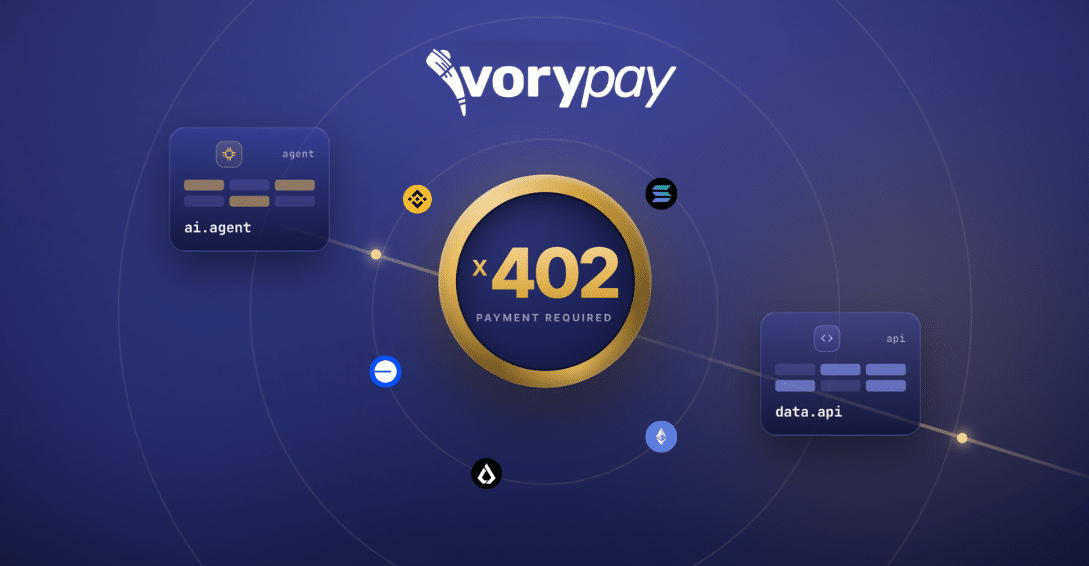
Ivorypay launches first X402 machine-to-machine stablecoin payments in Africa
Ivorypay has become the first company in Africa to deploy X402 payments, enabling autonomous machine-to-machine stablecoin transactions across all major blockchains. The launch introduces a novel Web3 payment infrastructure layer to the continent and complements the broader institutional stablecoin momentum signalled by StanChart's Accra summit and Yellow Card's regulatory expansion.
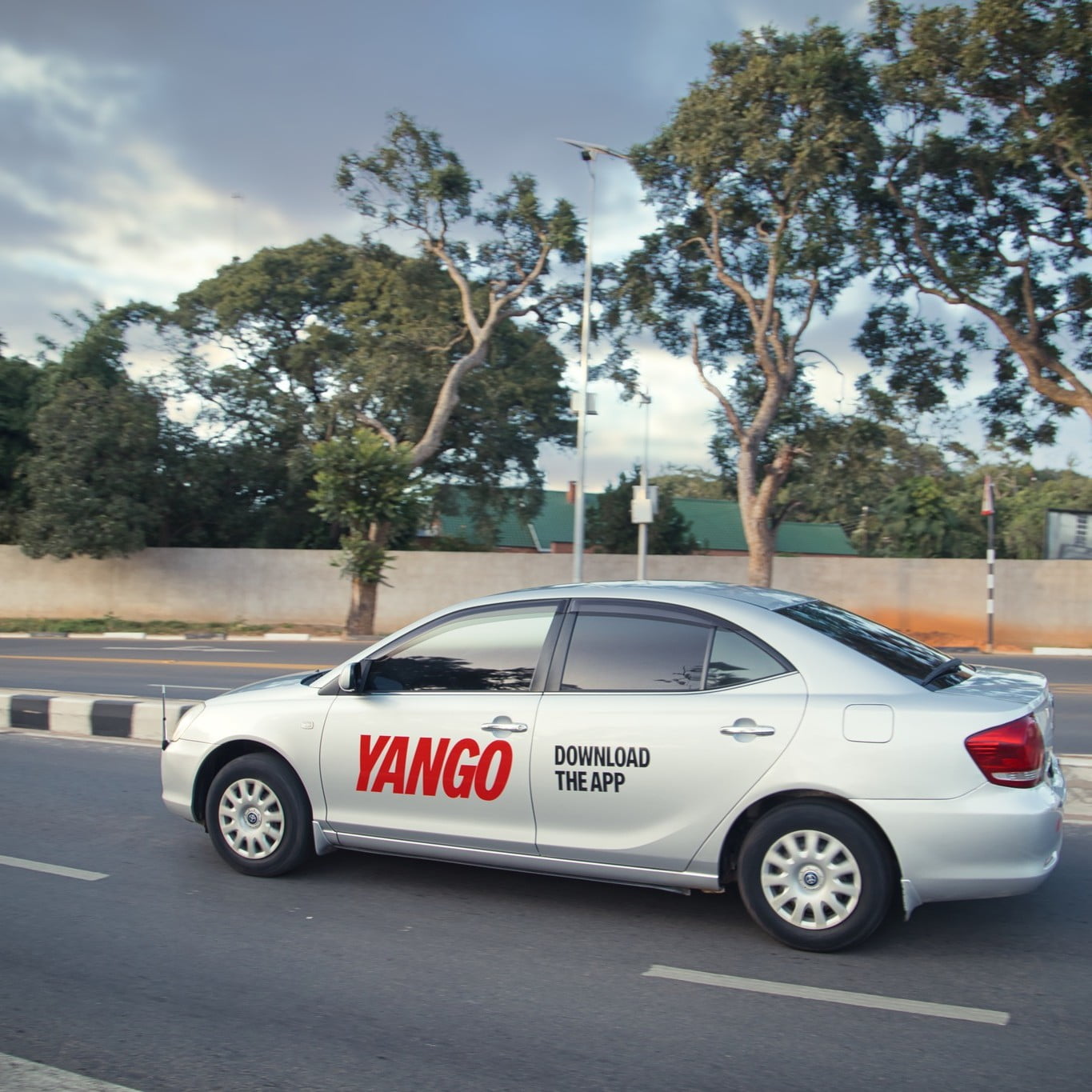
Yango pivots to super-app model across Africa beyond ride-hailing
Yango has confirmed that ride-hailing was a deliberate entry point into African markets and is now executing a broader super-app strategy aggregating multiple services across the region. The pivot adds another competitor to the multi-vertical platform race in West Africa alongside anyworkx and other emerging super-app plays observed earlier in the week.

Credable rebrands to _able after $650M in African loans, signals BaaS scaling
Credable has rebranded to _able following $650 million in loans facilitated across Africa, using the milestone to reposition as a broader Banking-as-a-Service infrastructure provider. The rebrand signals a strategic move from a single-product lender to a scalable fintech infrastructure layer, relevant for investors tracking the maturation of Africa's embedded finance stack.

Proparco anchors Francophone Africa VC fund, signalling DFI appetite for West Africa early-stage tech
A Francophone Africa-focused venture capital fund has secured a cornerstone investment from Proparco, France's development finance arm, providing institutional validation and anchor capital for early-stage tech investment in underserved West African markets. The deal extends the DFI capital deployment theme seen with EBID and AfDB and adds a dedicated Francophone focus that complements the broader West Africa VC maturation signals.

EIB Global commits €200M via DBN for Nigeria's green and digital SME economy
EIB Global has committed €200 million through Nigeria's Development Bank of Nigeria to finance green and digital SME projects, representing a significant deployment of European development finance into Nigeria's productive sector. The commitment aligns with the broader DFI capital mobilisation theme across West Africa and adds a climate-digital convergence angle to Nigeria's SME finance landscape.

NCC tightens telecom ownership rules, deepening Nigeria M&A regulatory risk
Nigeria's NCC is intensifying enforcement of its telecom ownership change regulations, creating further compliance hurdles for M&A activity and investor exit structuring in the sector. The continued regulatory tightening reinforces the precedent-setting risk for pan-African telecom deals flagged earlier in the week and raises the bar for deal certainty in Nigerian telecom transactions.
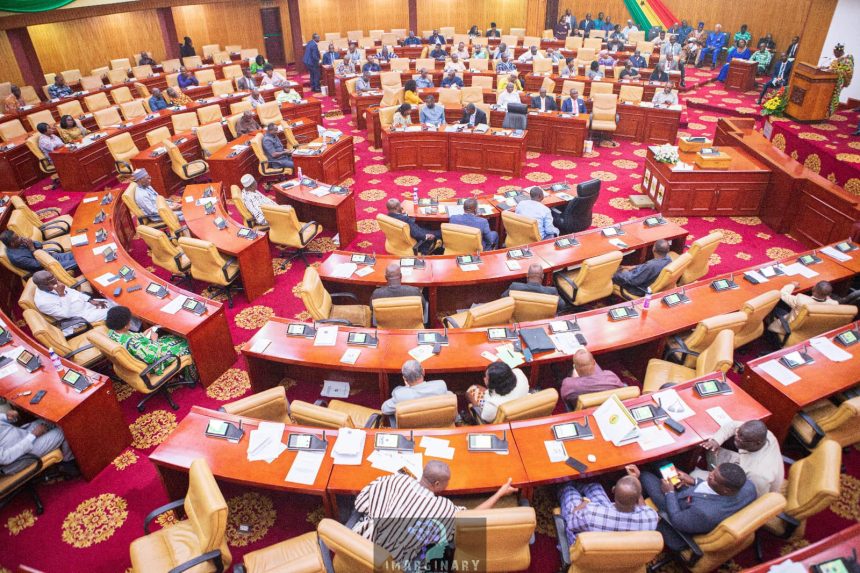
Ghana PURC tariff hike debate intensifies as structural energy sector inefficiencies persist
Ghana's parliamentary minority has challenged the PURC's 3.49% electricity tariff increase, arguing it fails to address underlying sector inefficiencies, while a separate commentary contends tariff hikes alone cannot fix structural problems in Ghana's power sector. The debate intensifies the cost-pressure signal for energy-intensive businesses and reinforces the investment case for distributed energy solutions, while adding political uncertainty to the regulatory outlook for Ghana's energy sector.
Chaka launches Hisa pan-African investment platform from Nigeria
SEC-licensed Nigerian fintech Chaka has launched Hisa, a pan-African retail investment platform designed to give African investors access to diversified asset classes across the continent. The launch extends the investment platform competition in Africa and signals further product maturation in the retail wealth management segment.

Kenya signs $1.2B airport expansion deal with Chinese firm, signalling logistics infrastructure investment
Kenya has signed a $1.2 billion agreement with a Chinese firm to expand Nairobi's international airport, representing one of the continent's largest aviation infrastructure commitments of the year. The deal reinforces East Africa's positioning as a logistics and connectivity hub while raising familiar questions about Chinese infrastructure financing terms and geopolitical trade-offs.

Terrafy launches parcel-level land intelligence platform targeting Africa's rural finance gap
Kenyan startup Terrafy has launched a parcel-level land intelligence platform aimed at enabling formal lending in Africa's rural finance markets where land titling and valuation remain major barriers. The product addresses a foundational infrastructure gap in agricultural lending and complements earlier signals around the KCB-Inchcape tractor financing model and Kenya's agri-mechanization push.

Monzo and OneDosh deepen UK-Nigeria and US-Africa remittance corridors
UK neobank Monzo has launched remittance services to Nigeria via Wise, while OneDosh is bridging US-Africa remittance flows through Cash App integration, bringing two additional global fintech brands into high-volume African corridors. The dual entry further commoditises African remittance pricing and intensifies competitive pressure on incumbent players, extending the corridor competition narrative that began with SendOva earlier in the week.

Nigerian SEC halts Dangote refinery IPO marketing, signalling regulatory assertiveness in capital markets
Nigeria's Securities and Exchange Commission has ordered a halt to marketing activities for the Dangote refinery's planned IPO, asserting regulatory authority over pre-IPO promotional processes. The intervention signals a more assertive regulatory posture in Nigeria's capital markets and introduces execution risk for one of the country's most anticipated public offerings.

Ghana macro headwinds intensify as T-bill yields, inflation, and FX pressures rise
Ghana's fixed income markets are showing rising Treasury bill yields alongside a rebound in inflation and continued FX pressures, collectively tightening the macroeconomic environment for fintech operators and credit-dependent businesses. The developments compound the operating cost pressures from the PURC tariff hike and rising producer inflation flagged earlier in the week, reinforcing a challenging near-term Ghana macro backdrop for growth-stage ventures.
Dimension Data floats N5BN bond to expand Nigeria digital infrastructure
Dimension Data has issued a N5 billion fibre infrastructure bond in Nigeria, raising long-term private capital to fund digital connectivity expansion. The bond demonstrates that Nigeria's digital infrastructure market is attracting structured debt instruments beyond traditional equity, signalling growing capital market sophistication in the sector.

Kenya public data monetisation debate raises policy risk for data-driven startups
A Kenyan op-ed argues that public data should be treated as a national asset governed in the public interest rather than monetised as a government revenue stream, directly challenging the government's commercialisation plans. The commentary adds a governance and policy risk dimension to an already contested debate and reinforces investor caution around data-dependent business models in Kenya's digital economy.
TikTok-ICC social commerce labs target Nigeria's $4B digital SME market
TikTok and the International Chamber of Commerce are launching Digital Commerce Labs to accelerate Nigerian SME participation in social commerce, targeting a market estimated at $4 billion. The initiative adds a major global platform to Nigeria's e-commerce ecosystem and raises competitive stakes for domestic social commerce operators.

LSETF decade of SME lending and Paystack support package deepen Nigeria SME fintech ecosystem
The Lagos State Employment Trust Fund has published a decade-long impact review showing ₦15 billion deployed and 320,000 jobs supported, providing an empirical baseline for public-private SME fintech infrastructure in Nigeria. Paystack's simultaneous launch of a $2,900 support package for Nigerian small businesses reinforces platform stickiness strategies and deepens the embedded fintech services competition for Nigeria's SME segment.

Access Bank Ghana pivots to earnings discipline after record balance sheet expansion
Access Bank Ghana has signalled a strategic shift toward earnings quality and profitability after recording a GH¢19 billion balance sheet, the largest in its history. The pivot from growth to discipline reflects the broader Ghana banking sector's recalibration under tighter macroeconomic conditions and rising capital requirements.

Verod Capital signals PE appetite for West Africa education sector
Verod Capital has expressed a bullish outlook on education investment in West Africa, signalling growing private equity appetite for the sector despite a lack of specific deal disclosures. The signal adds education to the list of non-fintech verticals attracting structured private capital in West Africa alongside agritech and logistics.

South Africa blockchain fan token tests digital monetisation model for African football
A South African blockchain fan token initiative is piloting a novel digital economy model for African football clubs, testing whether blockchain-based fan engagement can generate sustainable monetisation. The experiment is early-stage but signals growing African blockchain monetisation ambition beyond payments and remittances.

Ghana banking sector collapse legacy raises fintech licensing and recovery risk concerns
Commentary on Ghana's banking sector collapse highlights that restored banking licences face near-insurmountable operational recovery challenges, while Nandom Community Bank is seeking urgent recapitalisation amid BoG minimum capital policy pressure. Together the signals reinforce structural fragility in Ghana's community and rural banking segment and highlight fintech licensing risk for operators seeking to navigate the country's banking recovery landscape.
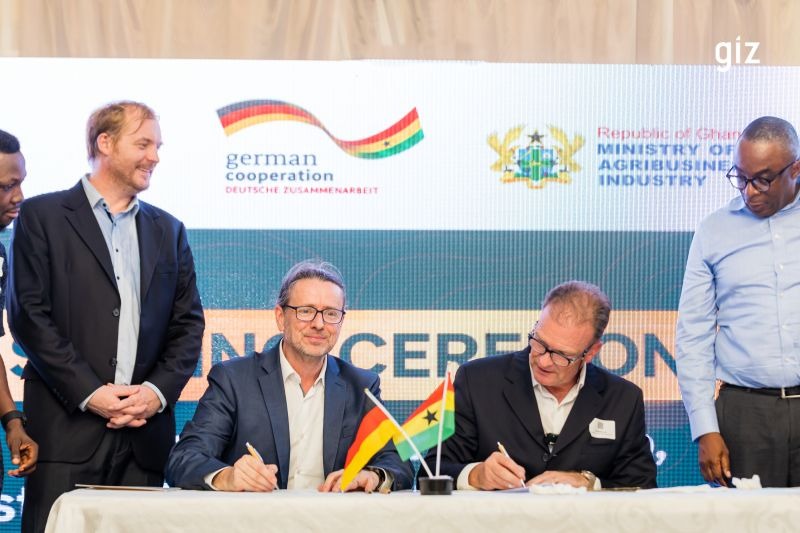
GIZ-Guinness Ghana sorghum project targets 30,000 farmers in northern Ghana
GIZ and Guinness Ghana have signed an MoU to develop the sorghum agricultural value chain in northern Ghana, targeting 30,000 farmers and 150 direct jobs. The partnership represents a corporate-development finance agri-value chain model with potential downstream implications for agritech input supply and processing infrastructure in an underserved region.
Rwanda bank-AIMS MoU targets AI and data analytics talent pipeline
I&M Bank Rwanda and AIMS Rwanda have signed an MoU to develop AI and data analytics capacity targeting youth innovation, creating an early-stage talent pipeline signal for East Africa's AI ecosystem. The partnership is modest in immediate commercial impact but reflects growing recognition among African financial institutions that AI talent development requires structured institutional collaboration.

Procurement-as-industrialisation thesis frames govtech and local content investment case
A new analysis argues that intentional procurement policy design, not market forces alone, has historically driven industrialisation, positioning government procurement as a strategic lever for local tech and manufacturing investment. The argument is directly relevant to govtech investors and local content advocates seeking to understand how African governments can accelerate industrial digital capacity through purchasing decisions.

Capital.com enters South Africa under dual FSCA licence, setting regulatory precedent
Global trading platform Capital.com has entered the South African market under a dual Financial Sector Conduct Authority licence, marking a notable global fintech market entry with potential regulatory precedent implications. The move adds to the growing list of international financial platforms seeking licensed access to African markets.

UBA Ghana fintech conference highlights partnership intent without deal specifics
UBA Ghana hosted a fintech partnership conference emphasising collaboration between incumbent banks and fintech players to advance financial inclusion across Africa, though no concrete deal disclosures emerged. The event reflects ongoing institutional intent to engage the fintech ecosystem in Ghana but lacks the measurable outcomes that would elevate its investment signal.

Francophone Africa tourism infrastructure gap signals logistics and connectivity opportunity
A new analysis identifies a significant infrastructure gap constraining Africa's growing tourism economy, with Francophone West Africa particularly underserved in connectivity, hospitality, and logistics capacity. The gap presents a long-horizon opportunity for infrastructure and logistics investors willing to engage markets outside the established East and Southern Africa tourism corridors.
FortiBleed cybersecurity exposure at 13 Namibian organisations signals regional vulnerability
Thirteen Namibian organisations have been identified as exposed to the FortiBleed global cyber threat, underscoring that Southern Africa's rapidly digitising institutions face the same cybersecurity infrastructure vulnerabilities observed in Ghana and DRC earlier in the week. The incident reinforces the investment case for cybersecurity service providers operating across sub-Saharan Africa's expanding digital surface area.