Daily Summary2026-06-20
Stories clustered across sources, with day-to-day continuity and threading.
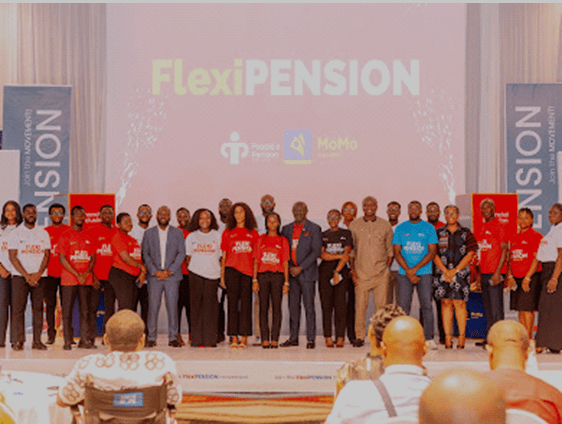
MTN MoMo-backed FlexiPension targets Ghana's informal sector retirement gap
FlexiPension has launched a digital pension product backed by MTN Mobile Money, directly targeting Ghana's large informal workforce that remains outside formal retirement systems. The product represents a practical convergence of fintech and insurance distribution, using existing mobile money rails to reach previously excluded workers. This extends the informal-sector financial inclusion opportunity flagged by Ghana's NHIA and bancassurance commentary.
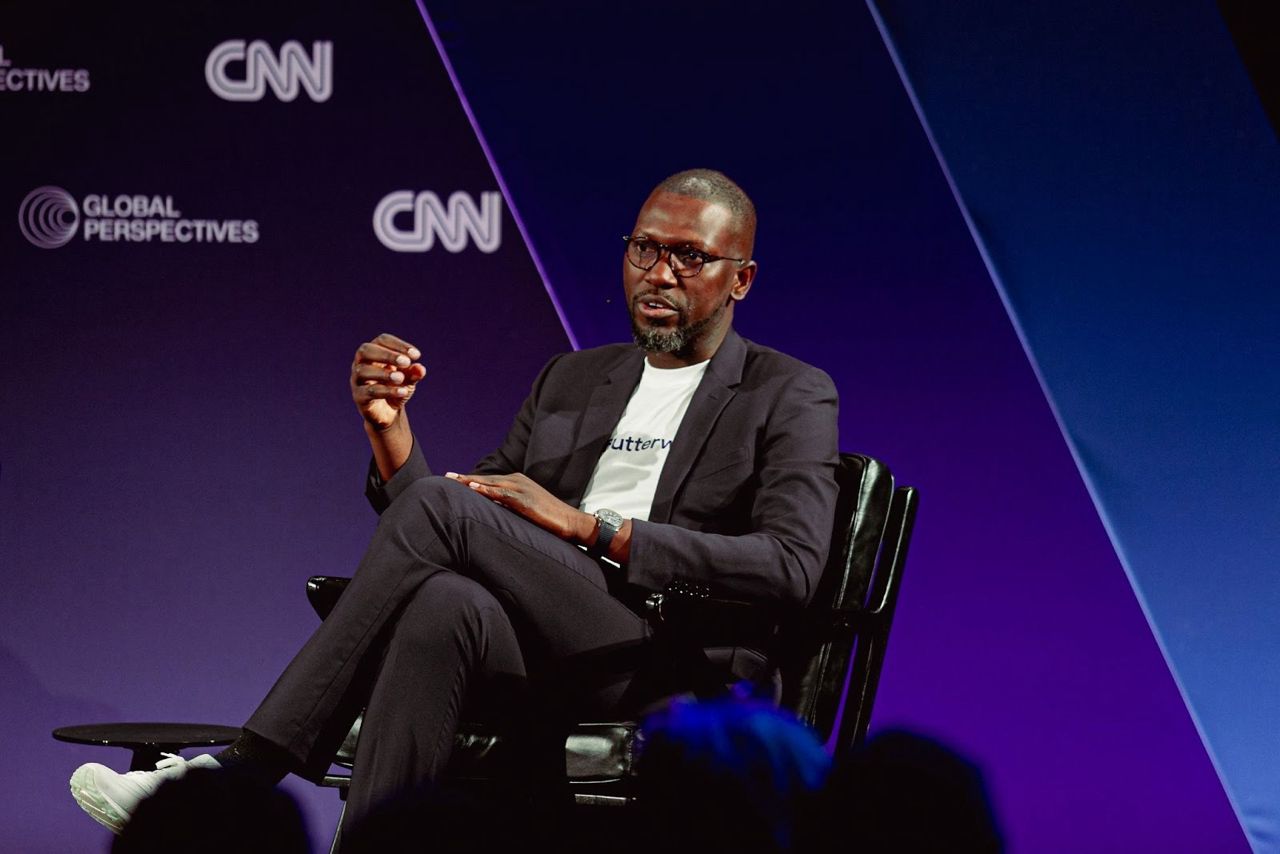
Flutterwave-Ripple stablecoin partnership formalises African cross-border payments infrastructure
Flutterwave has formalised a stablecoin partnership with Ripple that could reshape cross-border payments infrastructure across Africa, moving beyond its Series E valuation milestone into product expansion. The deal signals that Africa's largest fintech is betting on stablecoin rails as the next layer of its payments stack, following widespread organic stablecoin adoption across the continent. For investors, the partnership raises questions about competitive positioning for other cross-border payment operators in African corridors.

M-KOPA pivots device financing into scalable digital credit across Africa
M-KOPA is leveraging its smartphone repayment data to expand into broader digital lending, using device financing as a credit-scoring and customer-acquisition engine across African markets. The model is notable for converting hardware distribution into a financial services entry point, generating repayment history for borrowers who lack traditional credit records. The pivot signals a scalable fintech architecture that other device-as-a-service operators across Africa may replicate.

Zambia debt-for-energy AfDB template offers replicable model for Ghana clean energy finance
Zambia and the African Development Bank have structured a debt-for-energy deal that converts sovereign debt obligations into clean energy investment commitments, creating a replicable template for other African nations including Ghana. The model addresses a persistent barrier in African clean energy finance by aligning sovereign debt restructuring with infrastructure investment mandates. Combined with Ghana's Green PPF facility and EBID's regional energy commitments, the deal reinforces a multi-track momentum in African clean energy capital mobilisation.

Africa's AI startup structural barriers and GPU cloud infrastructure gap come into focus
Google's Africa lead has publicly identified structural barriers limiting African AI startups from reaching venture scale, while a South African startup has launched what it claims is the continent's first GPU cloud AI marketplace offering cheaper compute access. A Ugandan AI operations platform launch further illustrates the growing East African enterprise AI market. Together the developments frame a dual challenge of compute infrastructure scarcity and ecosystem structural constraints that define the near-term African AI investment landscape.
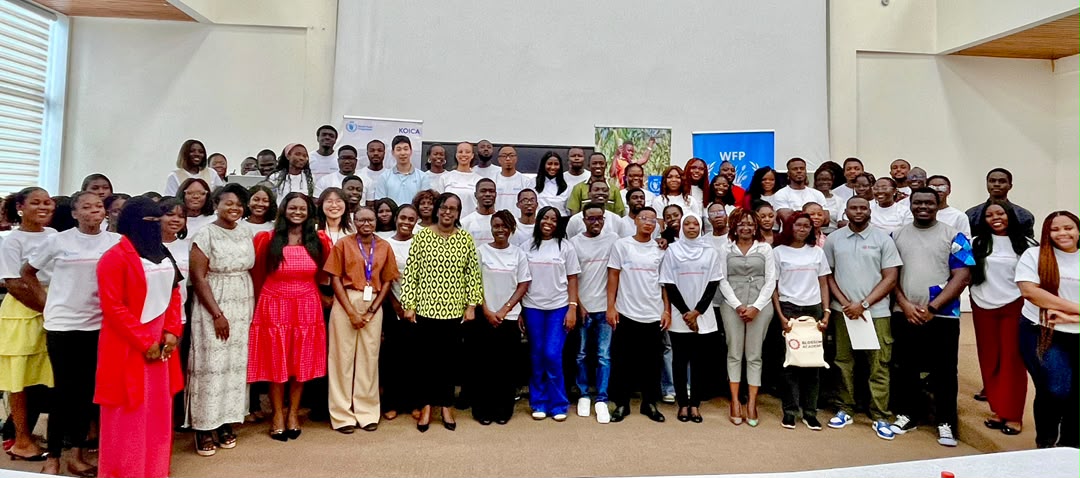
Africa AI workforce readiness gap flagged as systemic investment risk
New commentary identifies Africa's workforce AI readiness gap as a systemic constraint on realising the continent's AI economy potential, framing it as a risk that extends beyond startups to entire industries. Ghana's KAIPTC has simultaneously launched a continental AI cybersecurity governance project in Accra, adding a policy and security dimension to the AI preparedness agenda. A WFP-backed digital agriculture fellowship graduating its first cohort provides a concrete talent pipeline signal in Ghana's agritech sector.

West Africa device affordability and ride-hailing competition signal platform economy expansion
Senegalese startup Nixacom has launched an Auto Apply onboarding platform addressing the device affordability gap that constrains fintech access across West Africa, while Nigerian ride-hailing entrant Cruz has launched with driver-first incentives and a 10% discount to differentiate in a competitive market. Both developments reflect early-stage platform economy expansion in West Africa's francophone and anglophone markets beyond the Nigeria-Kenya-South Africa fintech core. The device affordability thesis aligns with M-KOPA's device financing model as complementary market entry strategies.
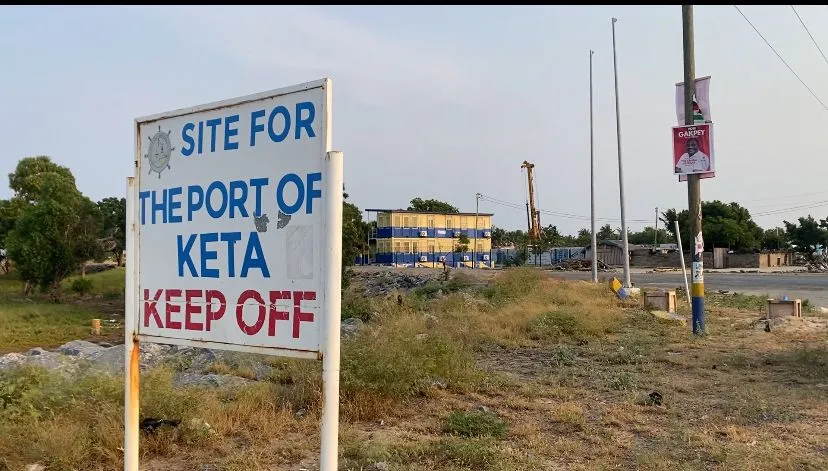
Keta Port investor interest signals Ghana infrastructure appetite
Forty-two firms have formally expressed interest in Ghana's Keta Port development, providing a concrete demand signal for one of the country's most significant infrastructure investment opportunities. The level of interest suggests meaningful private-sector appetite for Ghana port infrastructure despite the global data on project cost overruns and delays flagged in earlier analysis. The development is a positive indicator for Ghana's infrastructure investment pipeline but investor caution on execution risk remains warranted.

Kasapreko GSE listing and Prosus profitability shift reframe African capital markets sentiment
Kasapreko's Ghana Stock Exchange listing is generating investor debate about valuation timing, providing a rare local capital markets reference point against the backdrop of Fitch's positive Ghana GDP growth forecast. South Africa's Prosus is simultaneously signalling a shift away from its historic Tencent dependency toward portfolio-wide profitability, reflecting a maturing investor sentiment toward African and emerging market tech holdings. Together the developments offer a nuanced read on capital markets confidence across the continent's investment spectrum.

Ghana GES digitisation pressure and govtech reform signals intensify
Public pressure is mounting on Ghana's Education Service to fully activate its GESIMS digital management system, replacing 19th-century administrative processes that undermine efficiency and data quality in the education sector. The call mirrors the digitisation gaps flagged at Ghana's Food and Drugs Authority and PRAAD, suggesting a systemic pattern of partial e-government adoption constrained by underlying governance and data quality issues. For govtech investors, the recurring pattern across multiple Ghana public agencies signals both persistent demand and persistent execution risk.

Ghana government agro-processing push complements organic certification and grain fund signals
The Ghanaian government is urging industry to scale agro-processing capacity to absorb farm production surpluses and create employment, extending a policy push that also includes new organic certification standards and a GH¢300 million grain fund. The processing emphasis addresses the value-chain gap between raw agricultural output and marketable products, which is a documented weakness in Ghana's agritech ecosystem. Combined with earlier agritech policy signals, the government's position strengthens the investment case for post-harvest processing and distribution infrastructure in Ghana.