Daily Summary2026-07-17
Stories clustered across sources, with day-to-day continuity and threading.
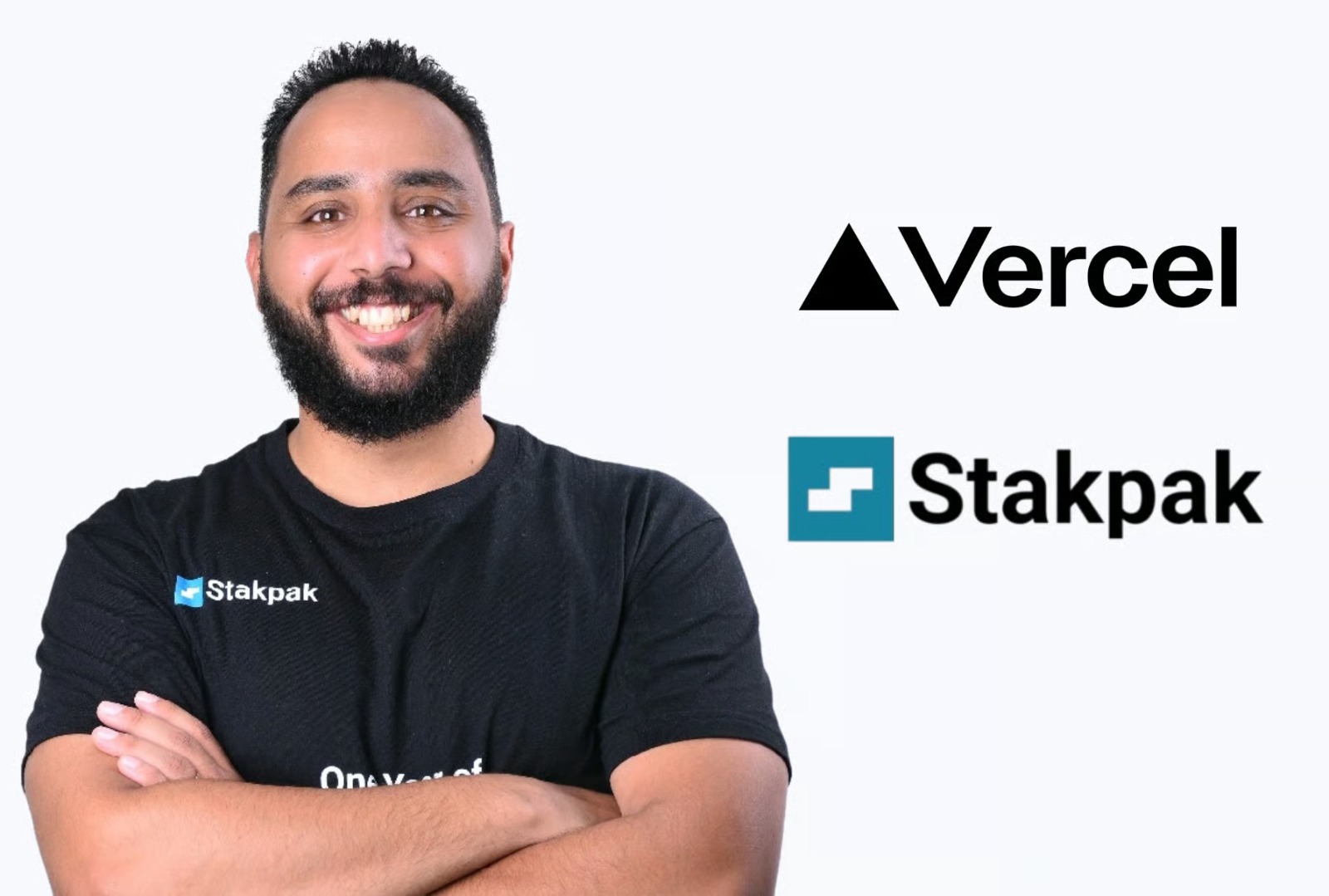
Vercel makes second African acquisition in a month, buying Stakpak
Vercel has acquired Stakpak, marking the company's second acquisition of an African-founded startup within a single month. The deal follows Vercel's earlier acquisition of Better Auth and reinforces a pattern of global technology firms targeting African-built developer infrastructure products.

TOR refining Jubilee crude could stabilise cedi and ease tech sector import costs
An economist has assessed the Tema Oil Refinery's plan to refine Jubilee crude as a potential structural stabiliser for the Ghanaian cedi. A stronger cedi would reduce import costs for Ghana's technology sector, which relies heavily on foreign-currency-denominated hardware and services.

Flux Power & Automation launches real-time energy management technology in Ghana
Flux Power and Automation has introduced a real-time energy management technology platform in Ghana, offering businesses and data centres a tool to monitor and reduce energy consumption. The launch addresses a persistent operational cost challenge for technology infrastructure operators in the country.
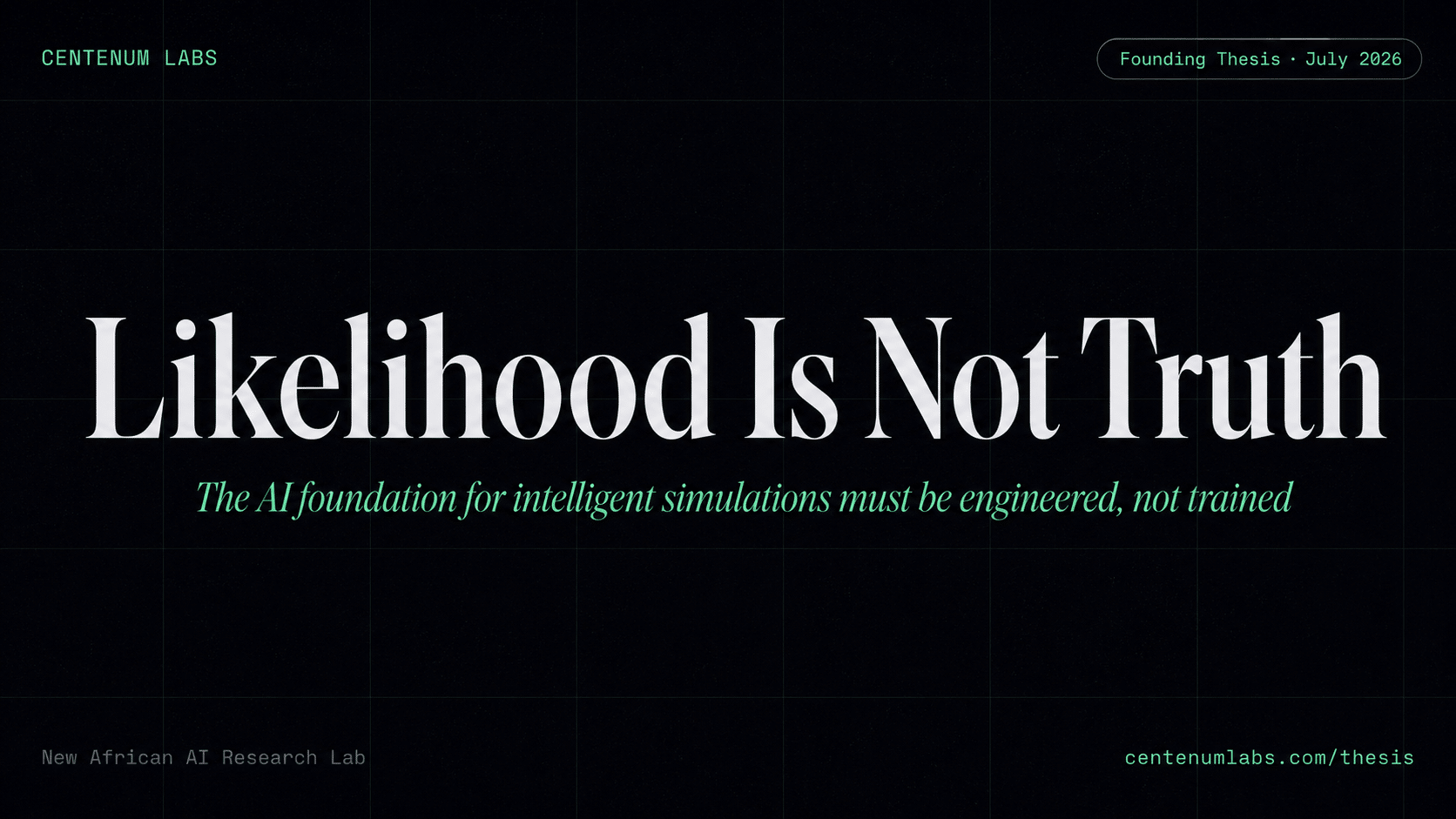
New African AI research lab publishes foundational thesis challenging core AI objectives
A newly established African artificial intelligence research laboratory has published a founding thesis titled "Likelihood Is Not Truth," which challenges the objective function underpinning modern AI systems. The publication signals growing original research capacity on the continent beyond applied implementation.
EOCO recovers GH¢617.5m in stolen funds including cybercrime proceeds in 2025
Ghana's Economic and Organised Crime Office has recovered GH¢617.5 million in stolen funds during 2025, including proceeds from cybercrime. The recovery figures signal meaningful enforcement capacity within Ghana's financial crime apparatus, providing a trust signal relevant to the country's fintech sector.
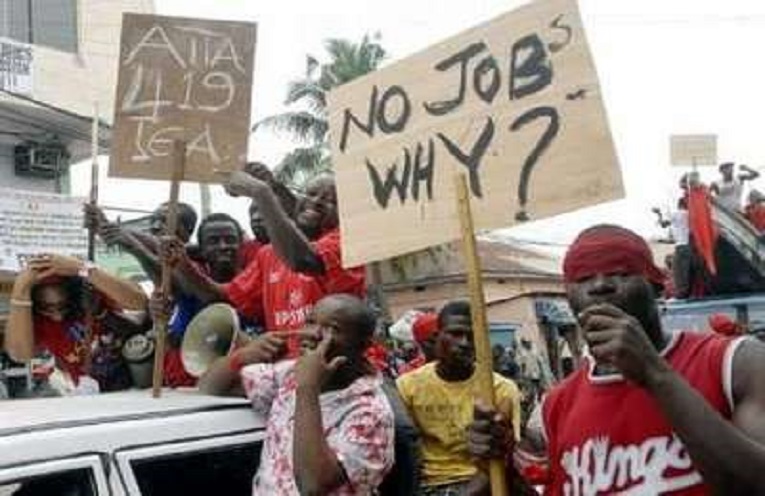
NDPC and Prof Bokpin identify jobless growth as Ghana's macroeconomic structural failure
Ghana's National Development Planning Commission and economist Professor Bokpin have separately identified the country's economic expansion as jobless, noting that 6 percent GDP growth has not translated into meaningful employment creation. Both analyses trace the failure to weak industrial growth and the absence of employment targets in macroeconomic planning, providing a sobering context for technology startups making job-creation claims.

Schneider Electric frames Africa's electricity grid as the next AI battleground
Schneider Electric has characterised Africa's electricity grid as the next major arena for artificial intelligence deployment, citing the continent's infrastructure modernisation needs. The framing adds a global industrial voice to the grid-AI investment debate that is directly relevant to Ghana's ongoing energy infrastructure challenges.

Ghana Floods Threaten Rice Zone
Flooding reaches Ghana's Weta rice farming community, extending climate disruption risk from urban Accra infrastructure into agricultural supply chains.

Ghana court jails TikToker for offensive conduct, signalling active digital enforcement
A Ghanaian court has sentenced a TikTok content creator to a custodial term for offensive online conduct. The ruling demonstrates active judicial enforcement of Ghana's digital conduct laws, creating a compliance signal for digital creators and platform operators in the country.

Prof Turkson urges Mahama to pursue structural economic reforms without delay
Professor Ebo Turkson has publicly called on President Mahama to implement structural economic reforms immediately rather than deferring action. The call adds to a chorus of macroeconomic reform commentary that frames investor confidence and the startup operating environment as dependent on structural policy change.

SeamlessHR rebrands as Seamless Technologies, pivoting into AI and financial services
Nigeria's SeamlessHR has rebranded to reflect a broader strategic focus that extends beyond human resources technology into artificial intelligence and financial services products. The pivot positions the company as a broader enterprise technology competitor across African markets including Ghana, and offers a model for Ghanaian HR and payroll startups considering product expansion.
Paystack expands Pesalink partnership to bring bank transfers into checkout flow
Paystack has extended its partnership with Kenya's Pesalink to integrate bank transfer functionality directly into its checkout product. The expansion signals continued development of Africa's payments infrastructure layer and carries an indirect signal for Ghana's payments ecosystem.
Digital lenders top Kenya's consumer complaint list despite sector reforms
Digital lending applications remain the most complained-about financial product among Kenyan consumers despite recent regulatory reforms, including the Central Bank of Kenya's recent licensing of 25 new digital loan providers. The complaint data offers a peer warning for Ghana's own mobile lending oversight debate, where similar concerns about predatory practices have been documented.
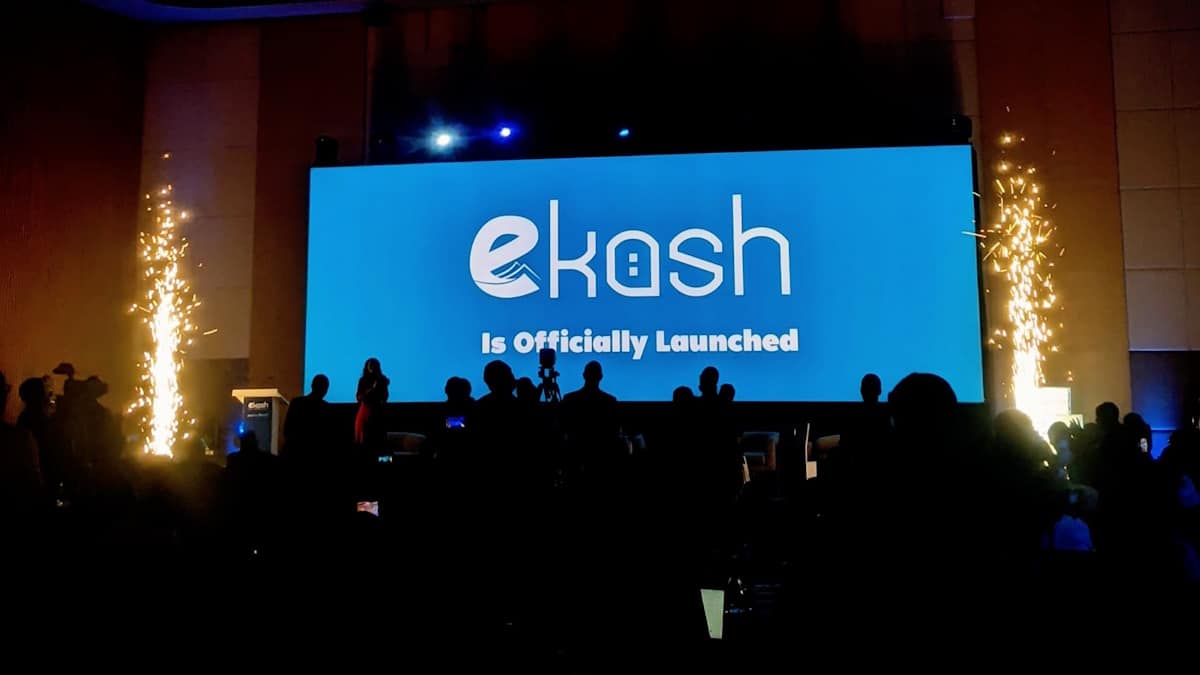
Rwanda formally designates eKash as national instant payment system
Rwanda has formally designated eKash as its national instant payment system, establishing a state-backed interoperability framework for the country's digital payments infrastructure. The platform's official designation provides a concrete policy model for Ghana's own instant payment and interoperability agenda.
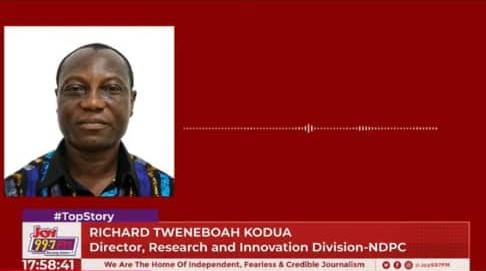
NDPC calls for affordable credit to revive Ghana's industrial sector and create jobs
Ghana's National Development Planning Commission has called for improved access to affordable credit as a necessary condition for reviving the country's industrial sector and generating employment. The recommendation directly affects financing conditions for startups and small and medium enterprises operating in Ghana.
Amazon's South Africa market-entry formula contrasts with Starlink's approach
New analysis has examined how Amazon structured its entry into the South African market in a manner that differed from Starlink's approach to the same market. The comparison offers indirect lessons for the ongoing debate about technology company market access strategies across Africa, including Ghana.